About spring-stag
Why we started
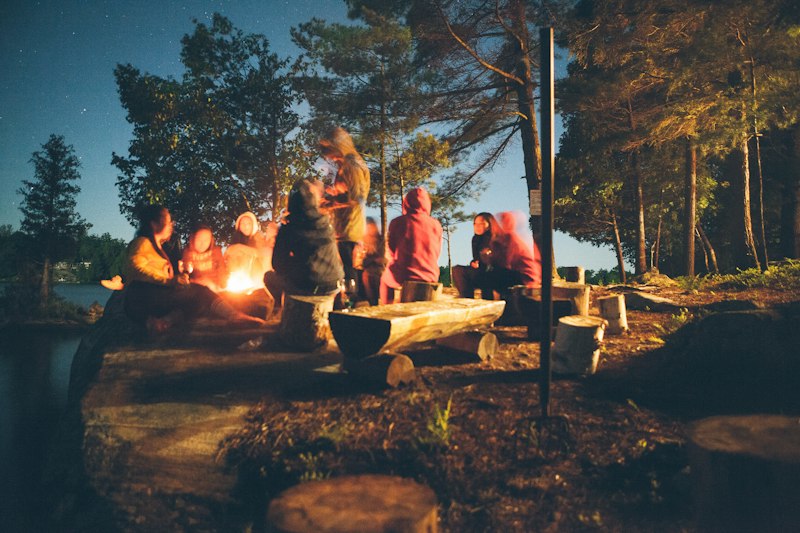
In 2019, three wilderness guides were sitting around a campfire in northern British Columbia. They'd all spent the day leading separate commercial tours, and they were frustrated.
The groups were too large. The itineraries were inflexible. The experiences felt manufactured rather than discovered.
They decided to build something different: a small operation that would prioritize depth over scale, authenticity over convenience.
That conversation became spring-stag.
Our approach
We don't try to serve everyone. Our experiences are designed for people who want to engage seriously with wild places, who are comfortable with physical challenge, and who value learning over entertainment.
We keep groups small because that's what the land requires. Large groups change the character of a place, create noise, and make genuine observation difficult.
Our guides aren't performers. They're practitioners who've built their lives around understanding specific landscapes. When they speak, they're sharing knowledge they've earned through years of attention.
Who leads the journeys
Lead Guides
Each lead guide has minimum five years experience working in Canadian wilderness environments. They hold current wilderness first aid certifications and have completed advanced navigation training.
Cultural Interpreters
For our cultural landscape tours, we work with Indigenous knowledge keepers who have agreed to share specific stories and practices with visitors. These relationships are built on years of trust.
Natural Historians
Several of our guides have formal training in ecology, geology, or wildlife biology. They can explain not just what you're seeing, but why ecosystems function the way they do.
How we handle operations
We operate year-round, though some experiences are seasonal. Weather dictates our schedule more than calendar dates.
Equipment is maintained rigorously. We replace gear before it fails, not after.
Emergency protocols are rehearsed monthly. Every guide carries satellite communication devices and knows evacuation routes.
We maintain insurance coverage that exceeds industry requirements and work with medical professionals who understand wilderness medicine.
Operating principles
Environmental responsibility
We follow Leave No Trace principles rigorously. Routes are chosen to minimize impact. Group sizes are kept small to reduce wear on trails and campsites.
Honest marketing
We don't manufacture urgency. Availability is shown accurately. Prices are transparent. What we describe is what you'll experience.
Participant safety
Risk exists in wilderness travel, and we communicate it clearly. We don't promise zero risk, but we do promise competent risk management.
Guide welfare
Our guides are paid properly and given adequate rest between journeys. Burnout creates safety issues. We structure our schedule to prevent it.